Technical Articles
A hotel runs on more than good service. It depends on electrical power that remains available and reliable, even when the normal supply is disrupted. This guide covers electrical infrastructure for hotels. It looks at load planning, backup power, and safety codes. It explains hotel electrical design and hotel electrical installation too. It shows how electrical infrastructure design shapes guest comfort and running costs. It also looks at commercial electrical infrastructure trends. Last, it shows how modern hotel electrical systems beat older, less efficient setups.
A hotel never really sleeps. Lights stay on, kitchens keep running, and somewhere on the top floor, a guest is charging three devices at once. All of that draws power, all the time, and it has to just work. Guests rarely think about wiring or transformers. They notice only when something fails. Think of a flickering hallway light. Or a warm room on a hot night. Or a lift stuck between floors. That gap, between what guests see and what actually runs the hotel, is where good electrical planning earns its place. This guide walks through what that planning actually involves, from the first load calculation to the final safety check.
A hotel electrical system is a layered commercial electrical infrastructure network. It manages grid power, backup supply, guest room loads, and life-safety systems, all working together.
Why does this matter so much in hospitality? Because the cost of getting it wrong is steep. A power outage means unhappy guests, lost bookings, and spoiled food in the kitchen. It can also mean a life-safety failure, since fire pumps and smoke fans depend on power that must never drop. In a hotel, safety and efficiency are not nice extras. They are baseline requirements, checked by code and felt by every guest on the floor.
Good hotel electrical design starts long before the first wire is pulled. It starts with real numbers: how much power each part of the building needs, and when it needs it most. This early stage of electrical infrastructure design shapes everything that follows. Skipping this step leads to two bad outcomes. One is an underpowered system that trips under load. The other is an oversized one that wastes money for decades. The sections below cover the core steps that shape a sound design from day one.
A hotel has many different types of load, and each behaves differently. HVAC and chiller systems draw heavy, steady power. Commercial kitchens spike hard during meal service. Laundry facilities run in bursts. Elevators pull short, sharp loads. Guest rooms draw less individually, but add up fast across hundreds of doors. Mapping all of this out, room by room, gives a true picture of what the building actually needs. It beats a rough guess every time.
Not every load runs at full power at the same time. That is the whole point of the diversity factor. It accounts for non-coincident loads. A hotel rarely runs its laundry, kitchen, and full HVAC load all at peak, in the same minute. This factor lets engineers size transformers, main switchgear, and busbars to real demand. It avoids a worst-case sum that would never actually happen. Get this wrong, and the building either overspends or under-delivers on power.
Hotels do not run at one steady level. Occupancy swings with the seasons. Event spaces can double demand overnight, during a wedding or a conference. Good sizing plans for these surges up front. It does not scramble later. EV charging adds another layer now too. Guest demand for charging points keeps rising. Spare capacity for future EV stations saves a costly retrofit down the line.
Hotels cannot afford downtime, not even briefly. A guest expects lights, hot water, and a working lift at any hour. Backup power is not optional. It is core to any well-planned hotel electrical system, from the start. Redundant paths, automatic switching, and clear load priority all work together. They keep the building running through a grid failure. The two sections below cover how this gets built into a real design.
Large hotels and critical hospitality facilities often use dual utility feeders to improve supply reliability. If one feed becomes unavailable, an Automatic Transfer Switch (ATS) automatically transfers loads to an alternate source. Transfer times vary depending on system configuration. This arrangement can reduce the impact of a utility supply failure and help avoid a single point of failure on the supply side.
When the normal utility supply becomes unavailable, generators and UPS units step in. Not every load receives backup power at once, though. Life-safety systems, designated emergency elevators, and critical IT infrastructure are typically prioritised for backup power. UPS systems can support loads that require uninterrupted power, while generators provide longer-duration backup. Non-essential loads, like decorative lighting, can wait or stay off during an outage. This tiered setup keeps critical systems operational without unnecessarily oversizing the backup equipment.
Safety in a hotel electrical installation is never just a checklist item. Guests sleep, bathe, and gather in large numbers. Most have no idea of the wiring behind the walls. Every design choice has to assume the worst case: a fault, a fire, or a sudden surge. It plans for that, calmly, in advance. The three areas below cover where safety rules matter most in practice.
Modern hotels depend heavily on sensitive electronic equipment, including building management systems, Wi-Fi networks, fire alarm systems, elevators, access control systems, and guest-room electronics. Surge Protection Devices help protect these systems from transient overvoltages caused by lightning or switching events. Proper SPD selection and installation can reduce the risk of damage to sensitive equipment and improve the resilience of the hotel's electrical infrastructure.
A well-designed earthing and bonding system is fundamental to personnel safety, effective fault clearance, surge protection, and reliable operation of electronic systems throughout the property. Hotel electrical infrastructure should also coordinate earthing and bonding arrangements with the building's lightning protection system and applicable electrical codes.
A fault in one small branch circuit should never take down a whole floor. It should not touch the main transformer either. Selectivity coordination makes sure of that. It is built so a local fault trips only the nearest breaker. The problem gets isolated fast. Power stays on everywhere else. Arc-flash mitigation systems help reduce incident energy by detecting faults rapidly and shortening breaker clearing times. This can reduce the energy exposure experienced by personnel working near the equipment and limit potential equipment damage.
Certain circuits in a hotel simply cannot fail, ever. Smoke evacuation fans, fire pumps, emergency lighting, and alarm systems all run on their own wiring. This wiring stays separate from normal building loads. Applicable standards and local building regulations set requirements for how these circuits are designed, installed, protected, and tested. Depending on the project location, relevant references may include IEC 60364, NFPA 70 (NEC), NFPA 110 for emergency and standby power systems, and applicable local electrical and building codes. This dedicated path means a fault in a guest room circuit can never take down the fire alarm system.
Wet areas are common in hotels, think bathrooms, pools, spas, and busy kitchens. These are exactly the places where a shock risk runs highest. RCCB and RCBO devices monitor for residual currents caused by leakage to earth. They disconnect power rapidly when leakage current is detected, significantly reducing the risk of serious electric shock. Fitting these in every wet zone is not just good practice. It is close to a rule under most modern codes, and for good reason.
Safety keeps guests protected. Efficiency keeps the business running well too. Energy costs in a hotel add up fast, across hundreds of rooms and constant mechanical loads. Small, smart changes to hotel electrical systems can cut waste. Guest comfort stays the same. The three areas below cover where the biggest, most reliable gains tend to show up.
A room with nobody in it does not need full HVAC or bright lighting. Guest Room Energy Management systems use the keycard slot or motion sensors. They detect when a room sits empty and scale back power on their own. Depending on occupancy patterns and HVAC usage, hotels may achieve significant energy savings through GRMS implementation, particularly by reducing unnecessary HVAC and lighting consumption during unoccupied periods. Guests barely notice the shift. Settings return the moment they walk back in.
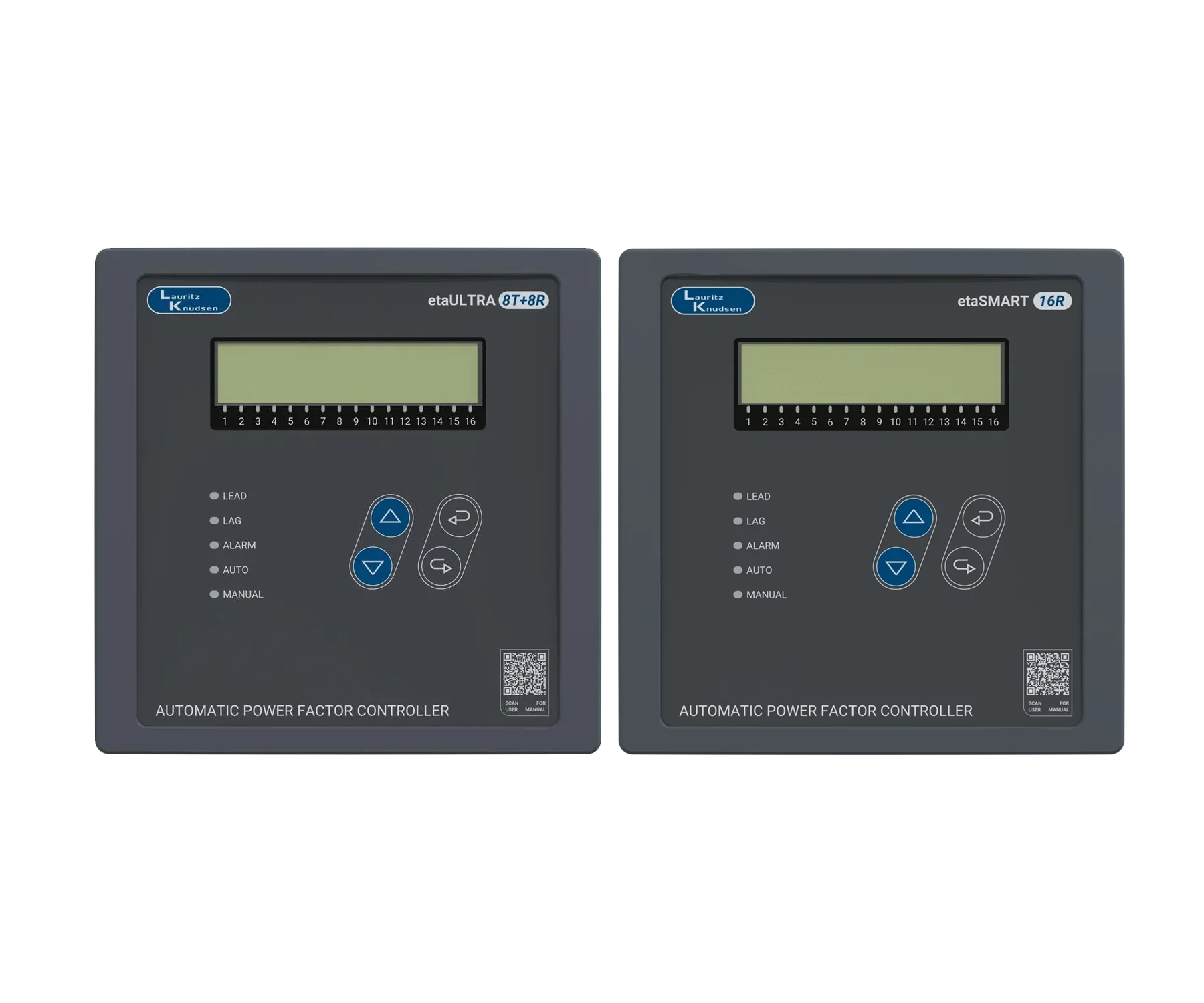
A poor power factor means a hotel pays for power it never fully uses. Utility penalty charges often follow too. APFC panels fix this on their own. APFC systems help maintain a high power factor, typically around 0.95 or higher depending on operating conditions. Improving power factor can also reduce current flow and associated losses in parts of the electrical distribution system. Less current gets wasted moving reactive power around the building. Over a year, this one change alone can meaningfully lower the electricity bill.
Motors running at full speed all the time waste a huge amount of energy. This is worse when demand sits below peak. VFDs adjust motor speed to match real-time load. They do not run flat out all the time. Chillers, pumps, and fans all benefit from this. Running costs drop across heavy mechanical equipment. Over the life of the equipment, this often pays for itself many times over.
Older hotel buildings often run on a basic setup. Loads are fixed. Monitoring is manual. Maintenance happens only once something breaks. Newer buildings take a different path. They use sensors, automation, and predictive tools instead. The gap between the two is not small. It shows up in running costs, safety response time, and guest comfort. The table below shows how these two approaches compare.
Also Read: How Mobile-Based Motor Starters Improve Pump and Motor Control in Remote Locations
Getting electrical infrastructure right in a hotel is not a one-time task. It spans load planning, backup power, safety codes, and efficiency work. All of it runs at once, for the life of the building. Good electrical infrastructure design pays off quietly, year after year. Guests may never see any of it. But they feel the result, every time the lights stay on, and the room feels just right. Lauritz Knudsen Electrical & Automation supports this work with RCCBs, MCBs, distribution boards, APFC controllers, and VFDs. These give hotel projects the safety and efficiency this kind of building needs.
Most codes call for a full check at least once a year. Backup generators, UPS units, and fire safety circuits often need more frequent checks.
Yes, in most cases. Many GRMS and APFC systems can be added onto existing wiring. Very old panels may need a small upgrade first, though.
This depends on the list of essential loads. But most mid-size hotels size their generator to cover life safety loads, elevators, and key IT systems, at least.
Both. Occupancy shapes peak demand too, not just running costs. A full hotel draws power in a very different way than a quiet one.
They overlap a lot. But hotels often face stricter life-safety rules. Emergency lighting rules are stricter too. Guests sleep on site all night, so the stakes are higher.

Sourav Dasmodak,
Product Management & Marketing (Powergear - ACB)Product Owner of Air Circuit Breaker (ACB) of Lauritz Knudsen for Domestic & International Market. I can talk to you about Electrical Products' Sales, Business Development, Market Expansion, Cracking Critical Strategic Account, handling Key Account & of course how to develop & motivate Channels along with the organizational growth. Having near about one and a half decade of experience across the country with major electrical manufacturers (Top 4).
Assistance Required?
Select an option to Contact Us
 Contact Us

