Technical Articles
If you have ever looked at a solar rooftop and thought, “What happens to all that extra electricity?”-you’re not alone. Most people assume it just disappears. In reality, it’s carefully tracked, measured, and even rewarded. This is where net metering system quietly steps in.
Your home or industry generates power during the day, but your peak usage might be at night. So, what bridges that gap? A well-designed net metering solar system. It doesn’t just track energy. It balances it like a energy balancing system
Modern systems don’t work blindly. A solar power monitoring system constantly observes performance, ensuring everything runs efficiently. Yes, it directly impacts your electricity bill, often in a good way.
At its core, solar net metering is less complicated than it sounds. It’s simply a billing arrangement. You generate electricity using solar panels, use what you need, and send the rest back to the grid. The magic lies in how that exchange is measured.
Imagine this like a bank account, but for electricity. When your panels produce excess power, it’s “deposited” into the grid. When you need electricity later, you “withdraw” it. The difference becomes your bill. Now, the system that enables this isn’t just wires and panels. It includes precise electrical components working together- meters, inverters, and safety devices. These ensure the flow is smooth and safe.
In simple terms, you are not just consuming electricity anymore; you are participating in the grid. This shift, small as it seems, is what makes net metering such a powerful concept for both homeowners and businesses.
Understanding how net metering works doesn’t require an engineering degree. It’s actually quite intuitive when broken into steps. Think of it as a continuous cycle- generation, usage, export, and adjustment. Each step is measured in real time using a bi-directional net meter that tracks energy flow in both directions.
During the day, solar panels generate electricity from sunlight. This energy is initially in DC form and is converted into AC using an inverter. For example, on a sunny afternoon, your system might generate more power than your home or industry unit needs. The excess doesn’t go to waste. It becomes an asset, ready to be sent to the grid and recorded for later use.
Your space always uses solar power first. Appliances, such as fans and lights, and even your machinery, draw energy directly from your system. This instantly reduces dependence on the grid. Only when your demand exceeds solar production does grid power step in. It’s subtle, but this prioritization is what keeps your bills lower over time.
Now comes the interesting part. When your system produces more electricity than you need, the extra energy flows outward. The bi-directional meter for solar records this export accurately. Think of it as your system saying, “I’ve got extra, take it.” The energy exported to grid , and in return, you earn energy credits. These credits become valuable later.
At night or during cloudy days, your solar generation drops. This is when you pull electricity from the grid again. But instead of paying full price, your earlier credits are adjusted. This is the heart of how net metering works. It’s not just about generating power. It’s about balancing usage over time in a smart and cost-effective way.
A net metering setup isn’t just panels on a roof. It’s a coordinated system of devices working together. Each part plays a specific role. These electrical components ensure energy flows safely, efficiently, and accurately between your home and the grid.
Solar panels are the starting point. They capture sunlight and convert it into electrical energy. Their efficiency depends on factors like sunlight exposure, angle, and quality. For example, a well-positioned rooftop system can generate significantly more energy than a poorly aligned one. They are simple in concept, but critical in performance.
The inverter is where raw energy becomes usable. It converts DC electricity from panels into AC electricity for your home. Without it, your appliances wouldn’t function. Modern inverters also integrate with a solar power monitoring system, allowing you to track performance, detect faults, and optimise energy output without needing constant manual checks.
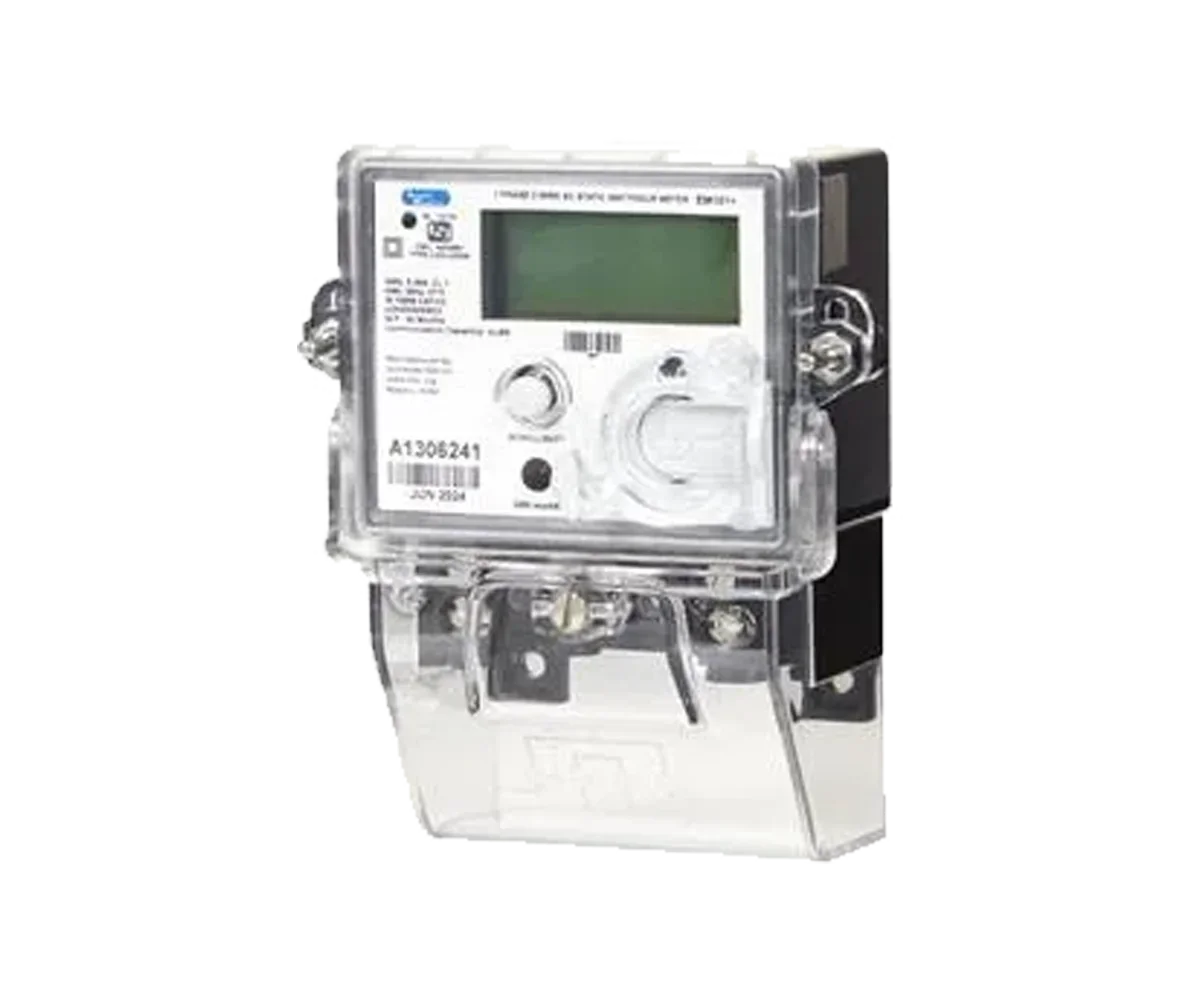
This is the brain of billing. The net meter tracks both imported and exported electricity. It ensures accurate calculation of your usage. Unlike traditional meters, it works in two directions. It’s this device that makes the entire net metering solar system financially meaningful, translating energy flow into actual savings on your bill.
People often confuse gross metering and net metering, but they operate very differently. The difference isn’t just technical. It directly affects your savings. One prioritises self-consumption, while the other treats all generated power as a sale to the grid.
The cost of net metering isn’t fixed. It varies. Location, system size, and utility policies all play a role. But to give you a rough idea, understanding sample pricing helps set expectations before installation.
Factors affecting cost:
Getting approval isn’t difficult, but it does require attention to detail. Missing even a small document can delay the process. So, it helps to be prepared from the start.
Checklist:
Net metering isn’t just about saving money. It changes how you interact with energy. It introduces flexibility, efficiency, and control. In many ways, it simplifies solar adoption for everyday users.
The most obvious benefit is savings. Since you pay only for net consumption, your monthly bills drop significantly. If your system exports enough energy during the day, your night usage is almost neutralised. Over time, this leads to noticeable cost reductions, making solar a financially sensible choice.
Without net metering, you would need batteries to store excess energy. This adds cost and maintenance. But with grid interaction, the grid itself becomes your storage. It eliminates the need for expensive battery systems, making installations simpler and more affordable for most homeowners.
With modern systems, tracking energy has become effortless. The advantage of smart meters lies in their ability to provide real-time insights. You can monitor usage, detect inefficiencies, and optimise consumption patterns. This visibility helps users make smarter decisions about how and when they use electricity.
While net metering offers many benefits, it’s not perfect. There are a few limitations that users should understand before installation. Being aware of these helps set realistic expectations.
Net metering policies vary across states. What works in one region may not apply in another. Changes in regulations can affect tariffs, credits, and system limits. So, your savings aren’t entirely under your control. They depend on government and utility decisions, which can evolve over time.
In reality, approvals can take time. Inspections, documentation checks, and technical validations sometimes slow things down. If paperwork isn’t complete, delays increase. While the process eventually moves forward, it requires patience. Planning ahead helps avoid unnecessary frustration during installation.
In some cases, exported energy may not be valued at the same rate as imported electricity. This reduces overall savings slightly. While still beneficial, the system isn’t always perfectly balanced. It’s important to understand local tariff structures before expecting full compensation for exported power.
The future looks smarter. Companies like Lauritz Knudsen Electrical & Automation are introducing advanced metering solutions like smart meters designed for precision and control. These systems go beyond measurement, integrating analytics and automation for better energy management.
Future systems will rely heavily on integrated monitoring. Advanced platforms will combine analytics with performance tracking. The advantage of smart meters will become even more evident, offering predictive insights. Imagine knowing a fault before it even happens.
Energy systems are becoming more interconnected. Smart grids will communicate directly with homes, optimising energy flow through grid management systems.. This improves efficiency and reduces wastage. Net metering will evolve into a more interactive system, where energy exchange is not just measured but actively managed in real time.
Also Read: What is an Energy Meter? Types, Working & Application
Net metering isn’t just a technical concept. It’s a practical shift in how we use electricity. It turns passive consumers into active participants. You generate, you use, and you contribute. This balance is powerful. As technology evolves, companies like Lauritz Knudsen Electrical & Automation are pushing the boundaries with smarter, more reliable metering solutions. This is where the real future lies- systems that don’t just measure energy but help you understand and control it.
If you are considering solar, don’t overlook net metering. It’s not just an add-on. It’s what makes the entire system financially and functionally worthwhile.
It’s a system where you get credits for extra solar electricity sent to the grid, reducing your overall electricity bill.
It records both the electricity you consume and the surplus you export, calculating your net usage for billing.
Most states offer it, but rules and limits vary depending on local electricity boards.
No, the grid acts like a virtual storage system, eliminating the need for batteries.
Net metering adjusts your bill based on usage, while gross metering pays you for total generated electricity separately.

Rajesh R Shirodkar,
DGM-Corporate CommunicationRajesh Shirodkar is a seasoned marketing and business leader with over 20 years of experience in the automation and electrical industry, spanning marketing communications, sales, business development, and software solution selling. He has led successful brand transformation initiatives and high-impact marketing programs, including branding and account-based marketing campaigns, as well as industry events that drive visibility, engagement, and growth. With expertise in brand building, lead generation, solution selling, and sales enablement, Rajesh is known for translating technology and business offerings into compelling value propositions and delivering sustainable growth through strong stakeholder collaboration.
Assistance Required?
Select an option to Contact Us
 Contact Us

