Technical Articles
Rotary switches are versatile electrical control devices that use rotational movement to connect different circuits or operating modes. Widely used in industrial control panels, power distribution systems, and monitoring applications; they simplify switching, isolation, source transfer, and measurement selection. This blog explores the different types of rotary switches, their configurations, working principles, applications, and maintenance, highlighting their reliability, flexibility, and importance in modern electrical systems.
A lot of electrical components spend their entire lives doing important work without ever getting much attention. Rotary switches fall into that category. In a factory, open a motor control panel, or look inside a power distribution board, and chances are you will find one somewhere. Not because they are flashy. Not because they are complicated. Simply because they solve problems efficiently.
Think about an operator who needs to switch between different power sources. Or a technician checking voltage across multiple phases. Or a maintenance team isolating equipment before starting work. These everyday tasks need a control device that is simple, reliable, and easy to understand at a glance.
That is where rotary switches come in. Over the years, rotary switches have become a trusted part of industrial electrical systems because they offer something valuable: straightforward control free of unnecessary complexity. Yet many people only discover how versatile they are when they begin working closely with electrical installations.
Visualize standing in front of a control panel with several operating modes available. Instead of using multiple individual switches, you simply rotate a handle until it reaches the desired position. That's essentially how a rotary switch works. A rotary switch changes electrical connections through rotational movement. As the knob turns, internal contacts move between different positions, creating new electrical pathways while disconnecting others.
The concept sounds simple because it is.
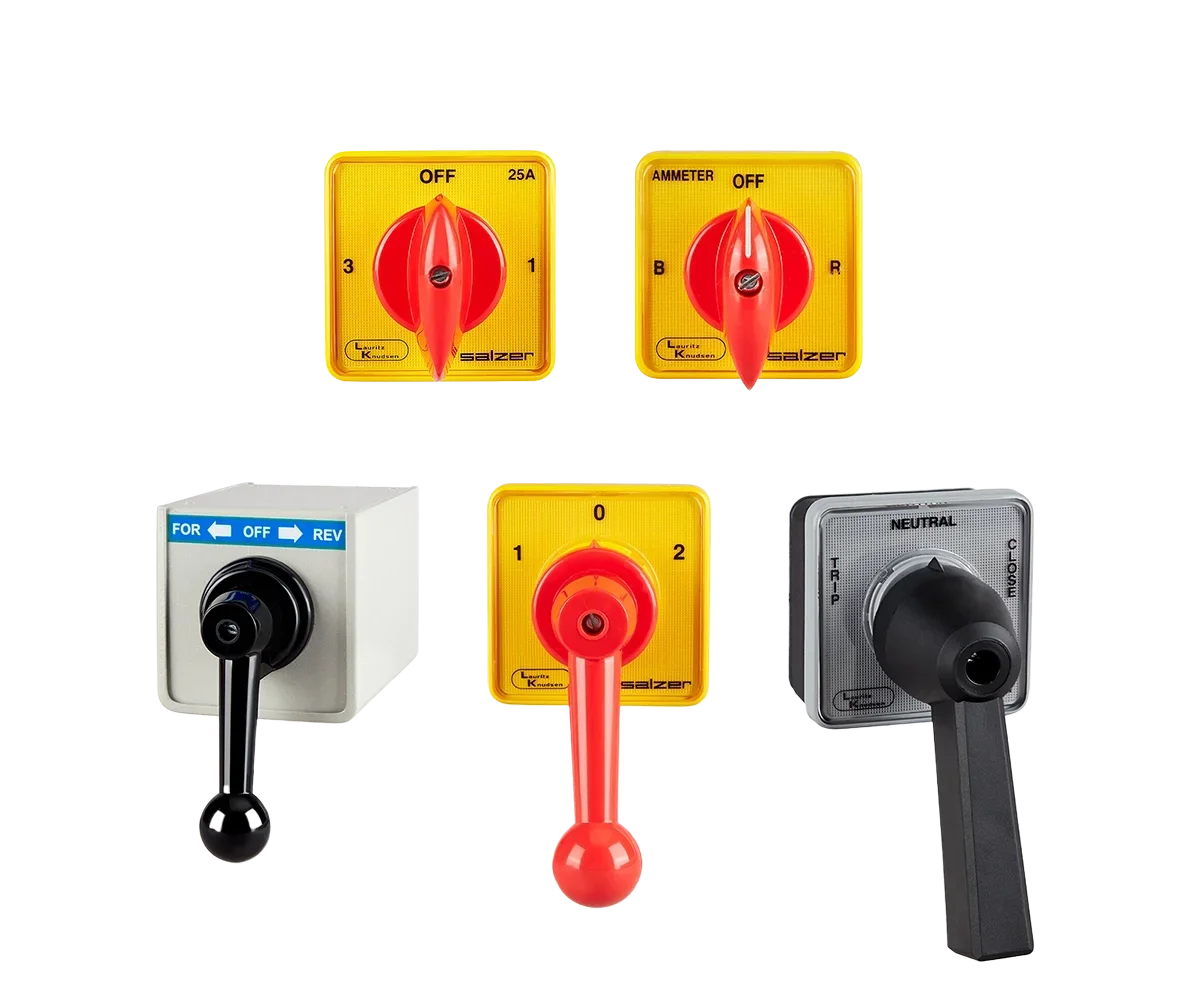
What makes rotary switches useful is the number of functions they can perform from a single device. One switch can isolate power, transfer loads, select measurement points, or change machine operating modes.Such flexibility explains why manufacturers such as Lauritz Knudsen Electrical & Automation continue to offer rotary switch solutions for industrial, commercial, and infrastructure applications.
Not all rotary switches are designed for the same purpose. Some focus on safety. Others help manage power distribution. A few rotary switch types are built purely for measurement and monitoring applications. Knowing these differences makes selection much easier.
Wafers are the core components inside most rotary switch models. They consist of multiple contact layers (wafers) where fixed and moving contacts create different circuit connections as the shaft rotates. In a rotary wafer switch, contacts are arranged on both sides of the wafer itself, which gives the design a higher contact density without increasing the overall size of the unit. This makes wafer switches a sensible option across a wide range of standard applications.
Yaxley switches represent one of the older rotary switch designs. It is still recognised in the industry. They are rarely specified in new installations today. However, you will still find them in legacy equipment and older control panels. This type helps when maintaining or replacing components in systems that have been in service for a long time.
When space is limited, miniature rotary switches become the natural choice. These are designed specifically for use on circuit boards and other compact assemblies where a full-sized switch simply will not fit. They provide multiple selectable positions in a compact form and are commonly used for configuration settings and signal selection in electronic circuits.
Some applications push electrical loads far beyond what a standard rotary switch can safely handle. High-current rotary switches are purpose-built for these conditions. They use high-conductivity metal contacts (often silver alloy) and robust insulating materials such as ceramics to safely handle higher voltages and currents. Both the casing and contact assembly are engineered to withstand the additional electrical and mechanical stresses associated with heavy-duty applications.
A rotary cam switch operates by mechanically opening and closing multiple contacts in a predefined sequence using cam profiles attached to the rotating shaft. This switching method makes rotary cam switches ideal for motor control, changeover, isolation, and circuit selection applications where reliable multi-position switching is required rather than variable resistance control.
Rotary DIP switches, also referred to as dual-in-line package (DIP) switches, use a single rotating actuator to select encoded outputs (often decimal or hexadecimal values) in a compact package for PCB-mounted applications. They are widely used to configure electronic equipment without requiring software programming or rewiring.
Binary rotary switches are another compact design, built for use in sensitive electronic equipment where exactness matters. They provide multiple discrete outputs encoded in binary form, allowing digital systems to interpret the switch position as a numerical value. This makes them suitable for digital controllers, embedded systems, and communication equipment.
A momentary rotary switch delivers a brief change of state rather than maintaining a fixed position. When the operator turns the switch, it completes the action and then returns to its default resting position. This makes it useful in circuits where a temporary signal is needed, such as toggling between states or triggering a short-duration function without leaving the circuit in an altered condition.
PCB mount rotary switches are designed to sit upright directly on a printed circuit board. From that position, they provide control over multiple output terminals within a single compact unit. Their direct board-mounted design keeps the assembly clean and lessens the need for additional wiring, which is a meaningful advantage within densely populated circuit layouts.
Some industrial environments simply demand more from their components. Heavy-duty rotary switches are built to withstand demanding mechanical and electrical conditions, delivering durable performance where standard switches would wear out prematurely. They are a sensible choice for machinery and installations that experience frequent switching cycles or exposure to severe operating conditions.
The type of rotary switch matters, but so does the contact arrangement inside it. Configurations determine how circuits connect and disconnect, which directly affects the switch's behaviour during operation.
This is about as straightforward as switching gets.
A single-pole single-throw (SPST) rotary switch configuration controls a single electrical circuit through one switching action. The rotary mechanism offers a different style of operation that some panel designs and industrial systems prefer to promote consistency and ease of use.
Instead of choosing between ON and OFF, an SPMT switch allows one common connection to select from several possible outputs.
Think of it as a pathway selector. As the handle rotates, the electrical connection moves from one terminal to another. This arrangement is commonly used in measurement systems and control applications where multiple operating choices are required.
Industrial equipment often needs several circuits to change simultaneously.
That is where multi-pole multi-throw (MPMT) configurations are useful, as they allow multiple circuits to be switched simultaneously within a single device. These modular switches manage multiple poles and multiple positions within a single device. As the operator rotates the switch, several electrical contacts change together. The result is efficient control over more complex systems without filling the panel with numerous individual switching devices.
Imagine briefly connecting two power sources together during switching.
Not ideal. Break-before-make designs avoid that situation by disconnecting the existing circuit before establishing the next connection. This approach is widely used where circuits must remain separated during transitions to prevent faults, equipment damage, or operational problems.
Some systems prefer continuity over separation.
In a make-before-break configuration, the new connection is established first, followed by the disconnection of the previous circuit. The overlap is short, but it helps maintain an uninterrupted signal flow. Instrumentation and communication applications frequently benefit from this type of switching arrangement.
People often assume rotary switches contain complicated electronics. The mechanism is largely mechanical, which is one reason they have remained reliable for decades.
Inside the switch are stationary contacts arranged around a circular path.
Attached to the rotating shaft is a movable contact assembly. As the handle turns, the moving contact matches different terminals. Each position creates a specific electrical connection designed for the intended application.
One thing users immediately notice is the distinct feel when turning a rotary switch. The feeling is not accidental. Mechanical detents lock the switch into predetermined positions, supplying clear feedback and stopping accidental movement. This helps operators confidently select the correct position even in busy industrial environments.
Every rotational position corresponds to a different contact arrangement. Depending on the design, one circuit may change, or several may switch simultaneously. Understanding this principle is often more valuable because rotary switches typically perform a wider range of circuit-selection functions.
The versatility of rotary switches explains why they appear in so many industries. Their applications stretch far beyond simple switching tasks. Below is the use of rotary switch explained in detail.
Walk into almost any manufacturing facility, and you'll find rotary switches controlling machine functions. Operators use them to select operating modes, initiate maintenance settings, and manage production processes. Rotary switches often offer more flexibility because multiple positions can be incorporated into one compact control device.
Power systems frequently require source selection, isolation, and circuit management. Rotary switches make these tasks easier. Changeover switches, phase selectors, and loadbreak switches all help make safer and more organised electrical distribution. In many facilities, they form an important part of everyday operational procedures.
Monitoring electrical performance is much easier when measurement points can be selected quickly. Ammeter and voltmeter selector switches allow technicians to inspect multiple circuits using a single instrument. This reduces hardware requirements while simplifying standard inspections and system diagnostics.
Many industrial machines require operators to select different process stages or operating conditions. A rotary switch is often better suited because it allows several functions to be accessed through a single rotating control, keeping operation simple and intuitive.
Even reliable components need occasional inspection. Rotary switches are no exception. Below is a step-by-step guide on how to check rotary switch.
Sometimes the problem is obvious before any testing begins. Look for cracked housings, discolouration, loose terminals, corrosion, or signs of overheating. These indicators often reveal issues that could eventually affect switch performance or safety.
A multimeter is usually the quickest diagnostic tool. Check continuity between the appropriate terminals while rotating through each position. The readings should correspond to the intended contact arrangement. Consistent results generally indicate that the switch contacts remain in good condition.
Pay attention to how the switch feels. Does it move smoothly? Does it lock properly into each position? Excessive looseness or inconsistent operation may indicate internal wear.
Not every fault originates inside the switch. Loose or incorrect wiring can create symptoms that resemble switch failure. Consistently verify terminal connections carefully.
Also Read: Different Types of Distribution Boards Used in Commercial & Industrial Applications
Rotary switches have earned their place in electrical systems through a combination of simplicity, durability, and versatility. They help isolate equipment, manage power sources, select measurement points, and control machine operations without introducing unnecessary complexity to a system.
Lauritz Knudsen Electrical & Automation supplies a comprehensive range of rotary switching solutions, including isolator switches, changeover switches, phase changeover switches, multistep switches, selector switches, and loadbreak switches.
Many manufacturers offer rotary switches with customised pole arrangements. They also offer customised contact configurations and position counts to suit specialised applications.
They offer clear position indication, reliable operation, and the ability to manage multiple functions from a single control device.
Generally, they require minimal maintenance. However, periodic inspection and testing help guarantee long-term reliability and safe operation.
Yes. Rotary switches are frequently used alongside automation equipment for mode selection, maintenance control, and functional settings.
Its ability to provide multiple switching positions within one compact device simplifies control while reducing panel complexity.

Rajesh R Shirodkar,
DGM-Corporate CommunicationRajesh Shirodkar is a seasoned marketing and business leader with over 20 years of experience in the automation and electrical industry, spanning marketing communications, sales, business development, and software solution selling. He has led successful brand transformation initiatives and high-impact marketing programs, including branding and account-based marketing campaigns, as well as industry events that drive visibility, engagement, and growth. With expertise in brand building, lead generation, solution selling, and sales enablement, Rajesh is known for translating technology and business offerings into compelling value propositions and delivering sustainable growth through strong stakeholder collaboration.
Assistance Required?
Select an option to Contact Us

 Contact Us

